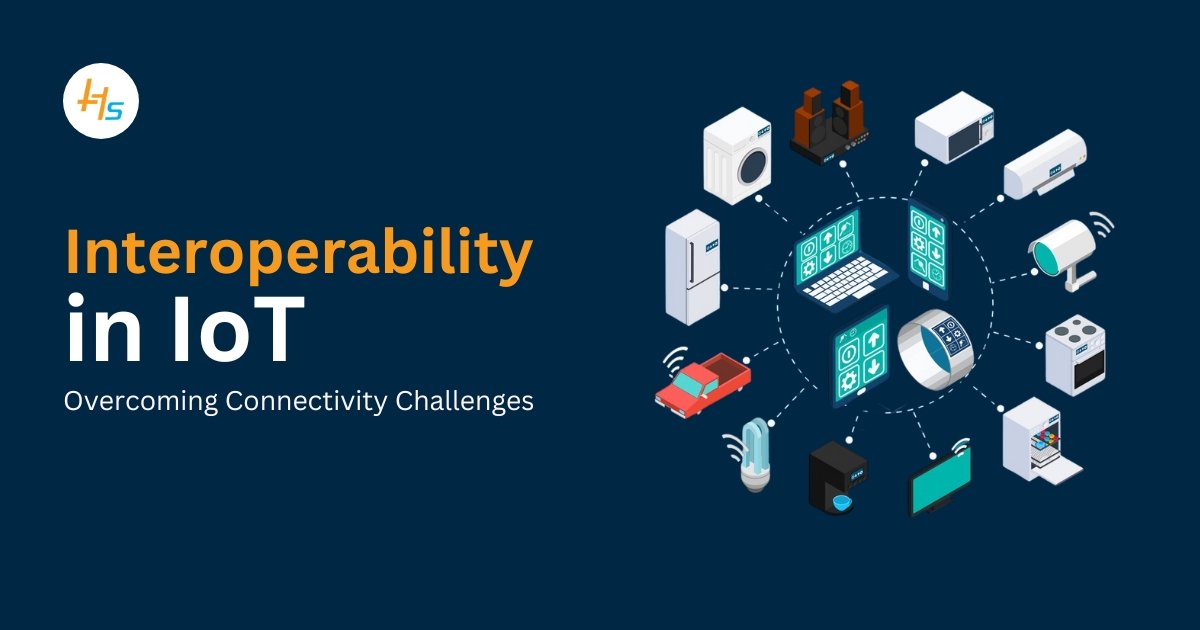
In today’s hyper-connected world, IoT connectivity is the backbone of modern technology. From smart homes and industrial automation to healthcare devices and autonomous vehicles, connected systems are reshaping the way we live, work, and interact. IoT devices rely on reliable, secure, and seamless connectivity to communicate, share data, and make autonomous decisions in real time.
What Is IoT Connectivity?
IoT connectivity refers to the communication layer that allows Internet of Things (IoT) devices to connect, exchange information, and interact with other systems. This connectivity can come from various wireless and wired technologies that support real-time data transfer and smart automation.
In simple words, IoT connectivity is what enables devices to “talk” to each other — efficiently and intelligently.
Why IoT Connectivity Matters
The success of any IoT solution depends on how smoothly it connects and communicates. Strong IoT connectivity ensures:
- Stable communication between devices
- Real-time data transfer and decision-making
- Secure communication to prevent unauthorized access
- Scalable infrastructure for millions of devices
- Smart automation driven by accurate sensor data
With the right connectivity, IoT systems become more accurate, reliable, and efficient.
Technologies Powering IoT Connectivity
IoT solutions use various connectivity technologies based on speed, range, and power requirements. Here are the most popular ones:
✅ Wi-Fi
Ideal for homes and offices where high-speed data is required.
✅ Bluetooth & BLE
Low-power and suitable for wearables, healthcare devices, and consumer electronics.
✅ Cellular (4G, 5G, LTE-M, NB-IoT)
Perfect for long-range applications such as smart cities, connected cars, and remote monitoring.
✅ LoRaWAN
A favorite for agriculture, energy, and industrial IoT where ultra-long-range and low-power consumption is essential.
✅ Zigbee & Z-Wave
Used for smart home automation due to low energy usage and mesh networking.
Each technology plays a unique role in building smart IoT ecosystems.
How IoT Connectivity Enables Smart Automation
IoT devices constantly collect and transmit data. Through reliable IoT connectivity, this data is processed by embedded systems, cloud platforms, or AI algorithms. This enables:
- Predictive maintenance
- Remote monitoring
- Autonomous decision-making
- Real-time alerts
- Device-to-device communication
Whether it’s a smart thermostat adjusting room temperature or an industrial robot communicating with a production line, IoT connectivity makes it possible.
Industries Benefiting from IoT Connectivity
IoT connectivity is revolutionizing multiple industries:
Industrial Automation
Real-time monitoring, predictive maintenance, and automated workflows.
Healthcare
Wearables, remote patient monitoring, and smart medical equipment.
Automotive
Connected cars, fleet tracking, and enhanced navigation systems.
Smart Homes
Voice assistants, smart lights, security systems, and connected appliances.
Agriculture
Smart irrigation, soil monitoring, and crop tracking using IoT sensors.
Smart Cities
Traffic management, waste control, weather monitoring, and energy optimization.
The Future of IoT Connectivity
As 5G, edge computing, and AI continue to evolve, IoT devices will become even faster, more reliable, and more intelligent. Future trends include:
- Ultra-low latency systems
- Self-healing smart networks
- More secure IoT protocols
- Massive IoT device deployment
- Smarter automation powered by AI
IoT connectivity is paving the way for a fully digital, efficient, and sustainable future.
Conclusion – IoT Connectivity
IoT connectivity is more than just a communication layer — it is the foundation of smart innovation. It enables devices to communicate, analyze, and act, transforming industries and improving everyday life. By choosing the right connectivity technology and architecture, businesses can build reliable, scalable, and intelligent IoT ecosystems.