Why IoT Device Integration Matters Today
In today’s fast-moving digital world, IoT device integration is no longer just a tech trend — it has become a necessity for businesses that want to stay competitive. From smart homes to industrial machines, connected devices are helping companies save time, reduce manual work, and unlock new opportunities.
But behind every “smart” system is one major factor:
How well the devices are integrated and communicating with each other.
This blog explains what IoT device integration really means, why it matters, and how businesses can adopt it smoothly — all in a simple, human-friendly way.
What Is IoT Device Integration?
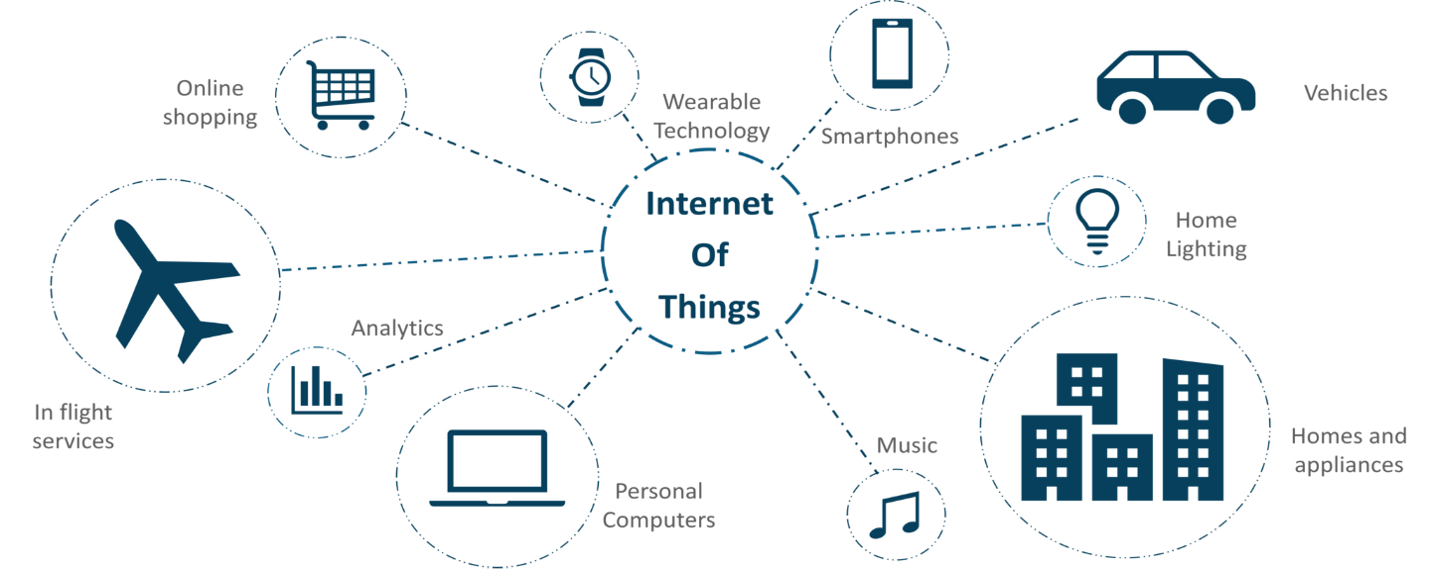
IoT device integration is the process of connecting different smart devices, sensors, and systems so they can share data and work together seamlessly.
In simple terms:
It means making devices “talk” to each other.
Examples:
- A smart thermostat adjusting temperature after reading room occupancy
- A warehouse sensor notifying staff automatically when stock runs low
- A machine sending maintenance alerts before it breaks down
When devices communicate without human involvement, processes become smarter and more efficient.
Why IoT Device Integration Is Important for Businesses
Businesses today rely on automation, data accuracy, and real-time decision-making. IoT device integration offers all three.
- Better Efficiency
Integrated IoT devices reduce manual tasks and keep operations running smoothly.
- Real-Time Data Insights
Sensors and connected devices provide live data that helps in faster, better decision-making.
- Cost Savings
Predictive alerts and automated reports prevent machine failures and cut operational costs.
- Improved Security
Modern IoT platforms encrypt data and monitor suspicious activity to protect systems.
- Easy Scalability
You can add more devices anytime without rebuilding the entire system.
Common Challenges in IoT Device Integration
Even though IoT is powerful, businesses do face some hurdles:
- Compatibility Issues
Not all IoT devices use the same protocols or standards.
- Security Risks
Weakly connected devices can become entry points for cyberattacks.
- Data Overload
Too much data can overwhelm systems without proper filtering.
- High Initial Setup Cost
Integrating multiple devices and systems can require upfront investment.
Best Practices for Smooth IoT Device Integration
To ensure a seamless and secure IoT setup, companies should follow these best practices:
✅ Use a unified IoT platform
It helps you manage all devices and data from one place.
✅ Ensure device compatibility
Choose devices that support common standards (MQTT, HTTP, CoAP).
✅ Prioritize cybersecurity
Use strong encryption, secure authentication, and regular firmware updates.
✅ Start small and scale gradually
Begin with essential devices, then expand as needed.
✅ Use automation and AI
Artificial intelligence improves automation, prediction, and data processing.
Real-World Use Cases of IoT Device Integration
Here are a few industries where IoT is making a huge impact:
- Smart Homes
Connected lighting, security systems, and thermostats.
- Healthcare
Remote patient monitoring devices and smart medical equipment.
- Manufacturing
Smart factories use IoT for automation, safety, and predictive maintenance.
- Retail
Smart shelves, inventory automation, and customer analytics.
- Transportation
Fleet tracking, smart logistics, and route optimization.
How IoT Device Integration Strengthens Customer Experience
Customers today expect faster service, accuracy, and convenience.
IoT makes that possible by:
- Reducing delivery delays
- Automating service updates
- Providing real-time tracking
- Improving product reliability
When devices work together, businesses deliver better results, and customers feel more satisfied.
Conclusion – IoT Device Integration
IoT device integration is shaping the future of business operations, automation, and digital transformation. Whether you’re running a small company or a large enterprise, integrating IoT devices can help you work smarter, reduce costs, and build a more connected future.
As technology evolves, companies that adopt IoT early will gain the most long-term benefits.