
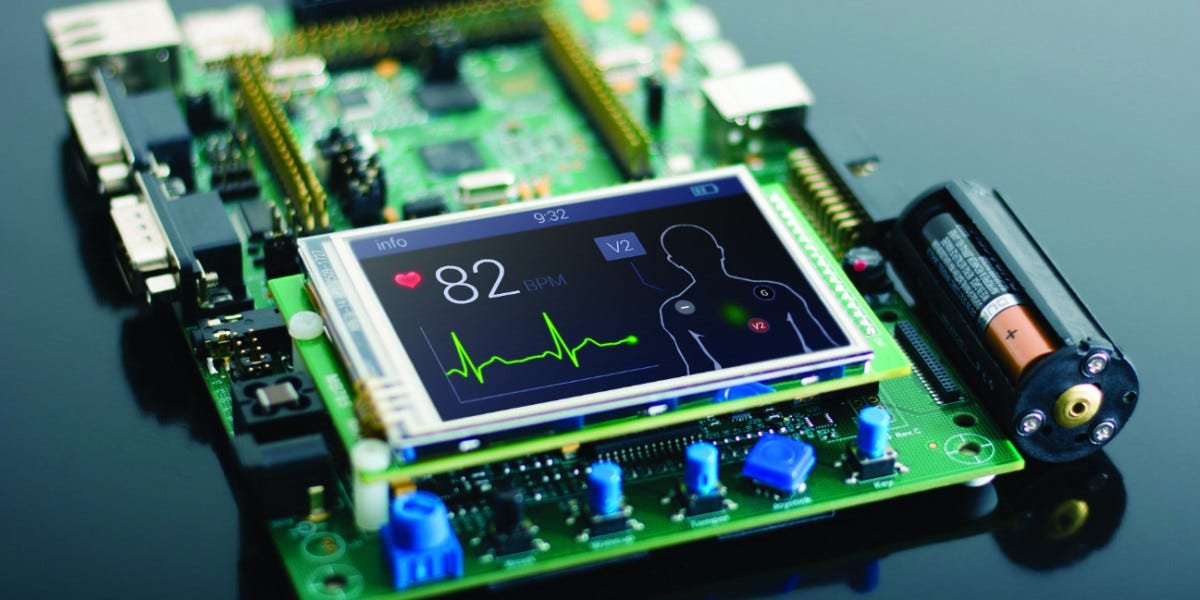
Embedded systems design is no longer just a technical field, it’s the backbone of modern innovation. From smart devices and wearable tech to medical equipment and automotive control units, embedded systems silently run our world.
In this blog, we’ll explore what embedded systems design really means, how it works, and why it’s becoming one of the most in-demand skills today. Everything is written in a simple, human touch tone so beginners and professionals can both enjoy reading.
What Is Embedded Systems Design?
Embedded systems design is the process of creating specialized computing systems that perform dedicated tasks. Unlike general computers, embedded systems are built for one specific job, such as controlling a sensor, processing input, or managing hardware operations.
Imagine your washing machine, your car’s ABS, or even your smart watch all of these run on embedded systems.
Key Components of an Embedded System
To understand embedded systems design, you must know its building blocks:
- Microcontroller or Microprocessor
This is the “brain” of the embedded system that processes data.
- Memory (RAM/ROM)
Stores instructions and temporary processing data.
- Sensors & Actuators
These interact with the physical world.
- Embedded Software / Firmware
Firmware tells the hardware how to behave.
- Power Management
Ensures the system runs efficiently, especially in battery-powered devices.
Stages of Embedded Systems Design
- Requirement Analysis
Understanding what problem the embedded system must solve.
- Hardware Design
Choosing microcontrollers, sensors, communication modules, etc.
- Software / Firmware Development
Writing code in languages like C, C++, Python, Rust, or even Assembly.
- Integration & Testing
Combining both hardware and software to ensure smooth operation.
- Deployment & Optimization
Final tuning for better speed, accuracy, and efficiency.
Why Embedded Systems Matter More in 2025
We live in a world where everything is becoming smart.
- Smart homes
- Smart TVs
- Smart cars
- Smart manufacturing
- Smart healthcare
Each “smart” device contains embedded intelligence.
Companies in the IoT, automotive, aerospace, robotics, and medical device sectors are all investing in embedded systems design on a massive scale. This makes the field future-proof and rapidly growing.
Popular Applications of Embedded Systems
- Automotive
- ABS systems
- Airbag controllers
- Engine control units
- Healthcare
- Heart monitors
- Infusion pumps
- Portable diagnostics
- Consumer Electronics
- TV remotes
- Smart speakers
- Gaming consoles
- Industrial Automation
- Robotics
- CNC machines
- Process controllers
- IoT Devices
- Smart meters
- Environmental sensors
- Smart security systems
Skills Needed for Embedded Systems Design
If you want to build a career in this field, focus on:
- C/C++ programming
- Understanding microcontrollers
- PCB design basics
- Real-time operating systems (RTOS)
- Communication protocols (UART, SPI, I2C, CAN)
- Debugging and testing tools
These skills are the core foundation of becoming a successful embedded engineer.
Future Trends in Embedded Systems
- AI-powered embedded systems
- Low-power IoT devices
- Autonomous vehicles
- Robotics and automation
- Cyber-secure embedded designs
The future is connected, smart, and automated, all thanks to embedded systems.
Conclusion – Why Embedded Systems Design Matters
Embedded systems design isn’t just engineering; it’s innovation that touches every part of our daily life. Whether you’re a student, developer, or tech entrepreneur, understanding this field opens the door to powerful opportunities in the digital future.
If you want to build smart devices, improve automation, or work in high-tech industries, then embedded systems design is the perfect place to start.